
BLOG
Latest News
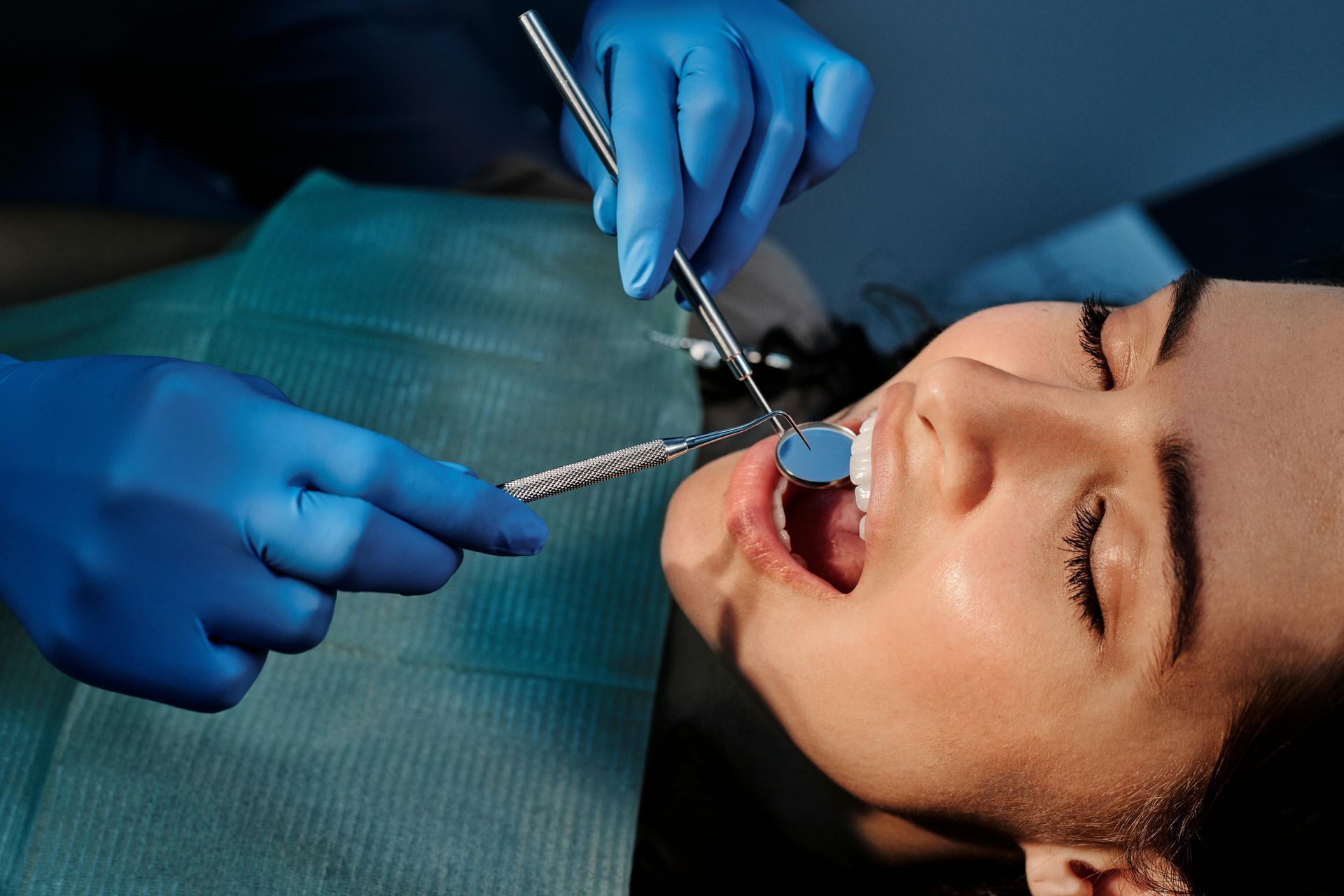
Teeth Whitening in Peterborough: Should It Come Before Veneers or Crowns? Yes. If both are on your list, whiten first. Whitening changes natural tooth enamel and nothing else, so porcelain put in beforehand gets matched to a shade you're about to leave behind. Whitening, veneers and crowns are the three cosmetic dentistry treatments we offer in Peterborough, and they do genuinely different jobs. Knowing which does what makes the order obvious, and the order is the part people tend to decide last when it really wants deciding first. Why Won't Whitening Lighten a Crown or Veneer? Because neither one is tooth. Whitening gel lifts stain out of natural enamel. Porcelain and composite don't absorb it and don't react to it, so their colour is set on the day they're made and stays set. A cosmetic dentist in Peterborough matches that porcelain to the shade your teeth are on the day the work is done, and the match is permanent. What happens if you whiten afterwards? Your natural teeth lighten and the restoration stays exactly where it was. Somewhere visible, that difference in shade shows. And if you whiten first? Then the shade you land on becomes the target. Whatever gets made afterwards is matched to teeth you're planning to keep, and it goes in already matching its neighbours. What If You Only Want One of Them? Then the sequencing question disappears, and what's left is deciding what you actually want changed. Colour alone, on teeth that are otherwise sound, is what whitening is for. Nothing gets covered or reshaped. The teeth you have simply get lighter. Veneers reach further. They're thin porcelain facings, customized for the tooth underneath, and they can change its shape and size along with its colour and general appearance. They're also a conservative treatment, in the sense that they work with the tooth that's already there. Crowns sit slightly apart from the other two. A crown, or cap, is custom made to match your natural tooth colour, but it goes on a tooth that's been heavily filled or has already had root canal treatment. Strength is the main job. The improvement in how the tooth looks comes along with it. How Does Whitening Work at Brookdale Dental Clinic? Ours is an assisted system you apply at home. It's custom-fitted to your mouth and dental-quality, which is what puts it ahead of what you'd buy across a counter, since gel held evenly against enamel lightens it evenly. Applying it yourself also puts the timing in your hands. Teeth sometimes turn sensitive during whitening. It usually passes. Tell your dentist if it happens rather than working around it on your own. Where Do You Start With Teeth Whitening in Peterborough? With a conversation, ideally before anything gets made. Our approach involves something we call co-diagnosis, which means involving you in your own diagnosis and, wherever possible, putting a range of options and solutions in front of you instead of a single recommendation. Cosmetic work benefits from that more than most, because what you want changed about your smile often isn't something a dentist would have flagged unprompted. A first appointment is usually a full examination with X-rays, unless you've come in about one specific thing. The dentist or hygienist works with an intra-oral camera, so you're looking at the same image they are while they talk through what they've found. Colour is a much easier conversation to have that way. Call 705.742.4361 whenever you'd like to start. We're on Bellevue Street and new patients are always welcome. If whitening and a veneer are both on your list, say so at that first appointment. Settling the order early is what lets everything match once it's finished.
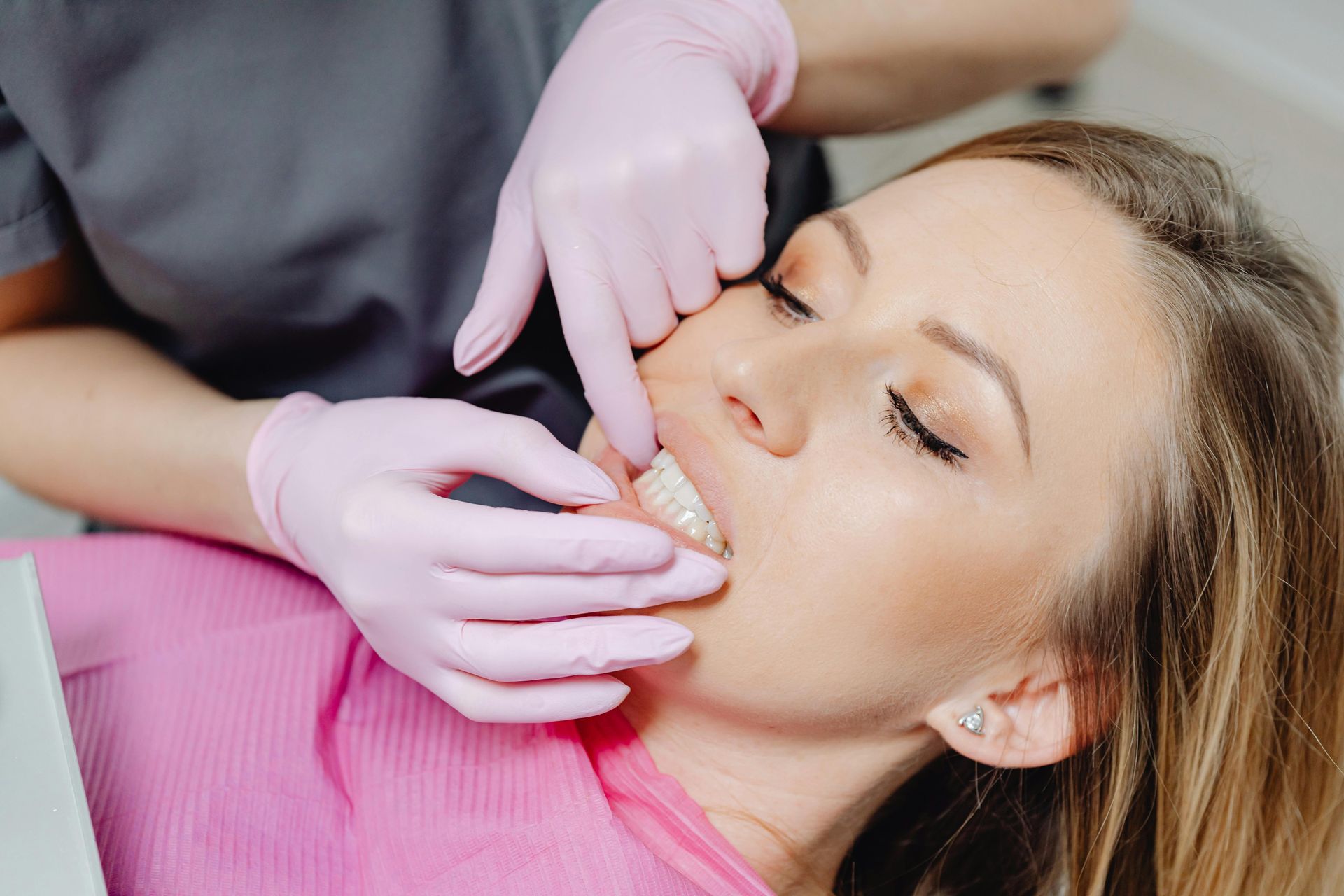
Cosmetic Dentistry in Peterborough: Getting Your Smile Summer-Ready Summer in the Kawarthas comes with a camera pointed at you more than the rest of the year does. Weddings, graduations, the lake, the reunion you said yes to back in February. Most people don’t give their smile much thought until one of those lands on the calendar, and then all of a sudden the photos matter. Here’s the good news. Most of what makes a smile look tired in pictures, the surface staining, a chipped edge, a tooth that’s drifted darker than the ones beside it, is fixable, and usually faster than people expect. That’s the part cosmetic dentistry handles. If you’ve got an event on the horizon, the useful thing to sort out first is how much time you’re working with, because that’s what decides which options are actually on the table. What Cosmetic Dentistry in Peterborough Can Do for Your Smile Cosmetic dentistry is a broad term, and that’s part of what makes it confusing. It covers everything from a quick whitening treatment to reshaping a tooth with porcelain, so two people who both ask for a nicer smile can walk out with completely different plans. What you need comes down to what bothers you when you look in the mirror. The cosmetic work at our Peterborough clinic sorts into a few categories. Whitening handles colour. Veneers reshape and resurface a tooth that shows when you smile, and crowns step in when a tooth needs strength on top of a better look. None of it is one-size-fits-all, which is why the first step here is usually a conversation rather than a procedure. Professional Teeth Whitening in Peterborough, and Why It Beats the Drugstore Kit Teeth whitening is where most people start, partly because it’s the gentlest thing we do and partly because staining is one of the most common cosmetic concerns. Coffee, tea, red wine, and the years all pull enamel away from white over time, and no amount of brushing fully turns that back. What we offer is a take-home system, though it isn’t the same animal as a drugstore kit. We make custom trays fitted to your mouth and pair them with professional-grade gel, so the whitening sits evenly against your teeth instead of leaking onto your gums the way a generic tray does. The colour tends to come out more even, with better results than anything off the shelf. It’s worth being straight about what whitening can and can’t do. It lifts the shade of natural teeth, but it won’t change the colour of an existing crown, veneer, or filling, since those don’t react to the gel. If you’ve got dental work at the front of your mouth, that’s worth factoring in before you start, and it’s a quick thing to check at a visit. Veneers and Crowns From Your Peterborough Cosmetic Dentist Whitening changes colour. When the problem is shape, size, or an edge that’s chipped or worn, that’s where veneers come in. A veneer is a thin porcelain facing bonded to the front of a tooth, custom made to match the look you’re after, and it’s a fairly conservative way to change how a tooth reads without heavy reshaping underneath. Crowns do something different. We reach for them when a tooth is heavily filled or has had a root canal, where it needs the strength a crown adds as much as the better appearance. A crown caps the whole tooth instead of facing just the front, and it’s colour-matched to settle in naturally next to the teeth around it. The question worth asking isn’t which of these is best in the abstract. It’s which one suits the specific tooth and the result you’re after, and that’s a faster conversation in person than it looks on paper. Planning Cosmetic Dentistry in Peterborough Ahead of Summer Timing is the part people tend to underestimate. Whitening is quick, but it still works best with a little runway, because you get the most even result building the shade up gradually rather than rushing it the week of the event. Veneers and crowns run longer, since they’re custom made and that lab time can’t really be compressed. Roughly how the timing tends to shake out: Whitening is the quickest win. A couple of weeks of gradual use gives the most even colour, so it’s the easiest to slot in before an event. Veneers need lead time, since each one is made in a lab before it’s bonded into place. Crowns sit on the longer end too, because they’re built to fit one specific tooth and colour-matched before they go in. For a Peterborough summer, that maths is worth doing early. If there’s a wedding in the Kawarthas in August, or a June graduation you’ll be photographed at, booking a consultation now leaves room to whiten properly or get veneers made without a scramble. Leave it to the last two weeks and you’re usually settling for whatever fits in the time left. But none of this means you need an occasion to bother. Plenty of people just get tired of hiding their teeth in photos, and that’s reason enough on its own. An event only gives the timeline a deadline. Book Cosmetic Dentistry in Peterborough at Brookdale If your smile’s been on your mind heading into summer, the first move is a consultation where we look at what’s actually going on and talk through what’s realistic in the time you’ve got. We’ve looked after cosmetic and family dentistry in Peterborough since 1971, and new patients are always welcome at our clinic on Bellevue Street, from a single whitening treatment to a longer plan for veneers or crowns. Call 705-742-4361 or book online, and we’ll find a time that works around your summer. Handle it now, and when the wedding or the grad photos come around, you’ll be the one not thinking about your teeth, just smiling and meaning it.
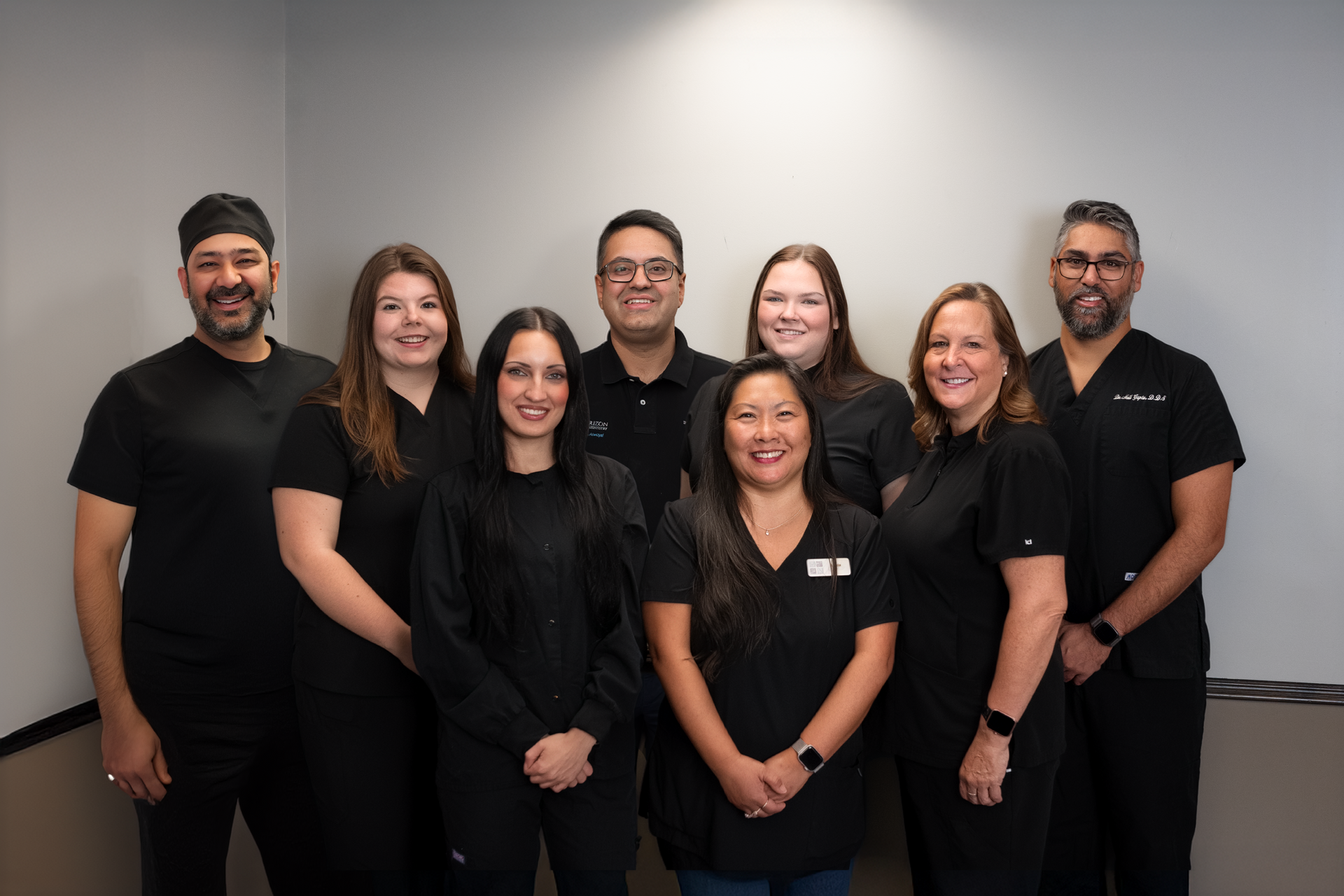
Most people don’t go looking for a new dentist when everything’s going well. The search usually starts after a move, a longtime dentist retiring, a kid aging out of pediatric care, or an insurance shake-up that knocks an old provider off the list. Sometimes it’s quieter than that, just a slow accumulation of small things that finally tips you into pulling up a search. What you usually get back is a long list of names and not a lot that helps you pick between them. So the harder question isn’t where to look. It’s what to look for once you are. Worth talking through how to read past the surface, because choosing a dental clinic is a decision most families end up living with for a decade or longer. What a Family Dentist in Peterborough Should Actually Do Differently A family practice covers a four-year-old’s first cleaning, a teenager’s wisdom tooth assessment, a parent’s restorative work, and a grandparent’s denture adjustment, often in the same week. The continuity that creates matters more than people expect. When the same practice has watched a family’s teeth for years, the small shifts that signal something bigger usually get caught earlier, whether that’s a child’s developing bite, a parent’s grinding pattern, or the slow gum recession that shows up later in life. None of those are emergencies on their own, and all of them get easier when they’re caught before they become one. Why Continuity Matters With a Family Dental Clinic Peterborough Has Trusted for Decades There’s a particular kind of grounding that comes from running a practice in the same community for several decades. Brookdale Dental Clinic has been serving Peterborough and the surrounding Kawartha region since 1971, which puts our practice in a small group of clinics that have looked after multiple generations of the same families. That kind of history shows up in patient records that go back further than a recent move and in the accumulated sense, built over decades rather than read about, of how a particular treatment actually holds up over time. History on its own isn’t a substitute for current technology or modern training. Combined with both, though, it adds a useful layer of grounding to how the work gets done. What to Look For in a Dentist Accepting New Patients in Peterborough When you’re calling around about a first visit, it helps to know what to expect. At our clinic, the first appointment is usually a full examination with X-rays, paired with an intra-oral camera so the dentist or hygienist can walk you through what they’re seeing on a screen rather than just describing it. There’s a name for this in the field: co-diagnosis. It just means you should be involved in your own diagnosis instead of being handed a treatment plan to nod along with. In practice, that means more time spent up front explaining what’s going on and what the realistic options are, even when one of those options is to wait and watch. A few things worth confirming when you call to book that first visit: Whether the first appointment includes time to talk before the examination begins, not just paperwork at the desk. Whether findings get walked through with you visually, ideally with an intra-oral camera so you can see what’s being discussed. Whether the dentist explains trade-offs between treatment options, including the option of waiting. Whether you have room to think things over before committing to a longer plan. When all of those are part of the first visit, the rest of the relationship is usually easier from there on. Practical Things to Check Before Choosing a Family Dentist in Peterborough Beyond how a practice feels, there are some concrete details worth confirming before you book. Most of these come up in the first thirty seconds of a phone call or a quick look at the website. Hours that fit your week. We’re open Monday through Thursday from 8 to 4, with Friday mornings until noon, which lines up with most school-run schedules. Location and parking. Our dental clinic is at 304 Bellevue Street with free parking on site, which makes appointments easier to fit around the rest of the day. Range of services under one roof. Preventative care, restorative work, replacement options like dentures and implants, cosmetic treatments, and gum disease care all happen here, which keeps things simpler for families with mixed needs across ages. Emergency availability. Same-day appointments for dental emergencies are part of what we offer, which is useful to know in advance rather than figuring it out during one. CDCP dental program participation. We’re a participating provider for the Canadian Dental Care Plan, which is worth confirming if you or someone in your household is enrolled. These are the details that quietly determine whether the relationship lasts five appointments or fifty. Book a First Visit With a Family Dentist in the Peterborough and Kawartha Region If you’ve been putting off the call, spring’s a sensible time to make it. School pickups settle into a rhythm, summer plans haven’t taken over the calendar yet, and there’s enough runway to get a first visit booked before things get busier later in the year. Brookdale Dental Clinic welcomes new patients of all ages, from young children coming in for a first cleaning to seniors looking for ongoing long-term care. Call 705-742-4361 or book online to set up a first visit. You’ll meet the team, get a clear picture of where things stand, and walk out with a plan that fits your situation. The next time someone in your family needs a dentist on short notice, you’ll already have the number saved.
As a parent, you want the best for your child—and that includes a healthy, confident smile. At Brookdale Dental Clinic, we've been helping Peterborough families establish excellent oral health habits since 1971. One of the most common questions we hear from parents is: "When should I bring my child in for their first dental appointment?" This guide covers everything you need to know about your child's first dental visit, from the ideal timing to practical tips for making the experience positive and stress-free. When Should Your Child Have Their First Dental Appointment? The Canadian Dental Association recommends that children visit the dentist within six months of their first tooth appearing, or by their first birthday, whichever comes first. This might seem early, but there are important reasons for scheduling that first appointment sooner rather than later. Why So Early? Establish a dental home: Building a relationship with a family dentist early means your child has a trusted place for all their dental needs as they grow. Catch problems early: Baby teeth are susceptible to decay, and early detection means simpler, less invasive treatment. Parent education: The first visit is as much about guiding parents as it is about examining your child. You'll learn proper brushing techniques, dietary recommendations, and what to expect as more teeth come in. Prevent dental anxiety: Children who visit the dentist regularly from a young age are far less likely to develop fear or anxiety about dental care. What Happens During a Pediatric Dental Exam? At Brookdale Dental Clinic, we understand that every child is unique. That's why we take a gentle, personalized approach to pediatric dental care. Here's what you can expect during your child's first visit: Meet and Greet Before we examine a single tooth, we take time to make your child feel comfortable. Our friendly team will introduce themselves, show your child around the office, and let them explore the dental chair. For very young children, you may hold them in your lap during the exam. The Examination The dentist will perform a thorough but gentle examination, which typically includes: Checking existing teeth for decay, damage, or developmental concerns Examining the gums, jaw, and bite to ensure proper development Assessing oral tissues including the tongue, cheeks, and palate Evaluating fluoride needs based on your child's risk factors and local water supply Gentle Cleaning (If Appropriate) Depending on your child's age and comfort level, the hygienist may perform a gentle cleaning to remove any plaque buildup. This is also an opportunity to demonstrate proper brushing and flossing techniques for you to continue at home. Discussion with Parents We'll discuss our findings with you, answer any questions, and provide guidance on topics such as teething, thumb-sucking, pacifier use, and nutrition. We believe an open, honest dialogue helps parents feel confident about their child's oral health. Tips for Preparing Anxious Children It's completely normal for children to feel nervous about visiting the dentist—especially if it's their first time. Here are some practical strategies to help your child feel more at ease: Before the Appointment Keep it positive. Avoid using words like "hurt," "needle," or "drill." Instead, talk about the dentist as a friendly helper who keeps teeth healthy and strong. Read books together. There are many children's books about visiting the dentist that can help normalize the experience. Titles like "The Berenstain Bears Visit the Dentist" or "Peppa Pig: Dentist Trip" are great options. Play pretend. Role-play a dental visit at home. Let your child be the dentist and examine a stuffed animal's teeth, then switch roles so they know what to expect. Schedule wisely. Choose a time when your child is typically well-rested and fed. Avoid scheduling during nap time or when they're likely to be cranky. Be honest but brief. Answer questions simply without over-explaining. Too much detail can create unnecessary worry. During the Appointment Stay calm. Children pick up on parental anxiety. If you're relaxed and confident, your child is more likely to feel the same way. Bring a comfort item. A favourite toy, blanket, or stuffed animal can provide reassurance in an unfamiliar setting. Let the dental team lead. Our staff are trained to communicate with children in age-appropriate ways. Sometimes it helps for parents to step back and let us build rapport directly with your child. Celebrate afterward. Plan a small reward or fun activity after the appointment, not as a bribe, but as a positive association with dental visits. Building Positive Dental Habits Early The habits your child develops in their early years can set the foundation for a lifetime of healthy smiles. Here's how to establish good oral hygiene routines from the start: Start Before Teeth Appear Even before your baby's first tooth emerges, you can begin oral care by gently wiping their gums with a soft, damp cloth after feedings. This removes bacteria and gets your child accustomed to having their mouth cleaned. Brush Twice Daily Once teeth appear, brush them twice a day using a soft-bristled, age-appropriate toothbrush. For children under three, use a rice-grain-sized smear of fluoride toothpaste. For ages three to six, use a pea-sized amount. Supervise brushing until your child is around seven or eight years old to ensure they're doing a thorough job. Make It Fun Brushing doesn't have to be a chore. Try these ideas to make oral hygiene enjoyable: Let your child choose their own toothbrush (featuring their favourite character) Play a two-minute song while they brush Use a brushing app with games and timers Brush together as a family to model good habits Create a reward chart for consistent brushing Watch the Sugar Diet plays a significant role in dental health. Limit sugary snacks and drinks, especially between meals. Encourage water as the primary beverage and offer teeth-friendly snacks like cheese, vegetables, and nuts. Avoid putting your child to bed with a bottle of milk or juice, as this can lead to "baby bottle tooth decay." Introduce Flossing Once your child has two teeth that touch, it's time to start flossing. Floss picks designed for children can make this easier. Flossing removes food particles and plaque from between teeth where a toothbrush can't reach. Keep Regular Appointments Schedule dental checkups every six months. Regular visits allow us to monitor your child's development, catch any issues early, and reinforce positive dental habits. Consistency also helps your child become familiar and comfortable with the dental office environment. Your Partners in Your Child's Oral Health At Brookdale Dental Clinic, we believe every child deserves a healthy smile and a positive relationship with dental care. Our experienced team provides gentle, personalized attention in a warm and welcoming environment. We're not just treating teeth, we're building lifelong habits and confidence. If you're ready to schedule your child's first dental appointment, or if you have questions about your little one's oral health, we're here to help. Contact Brookdale Dental Clinic today. New patients are always welcome, and we look forward to becoming your family's trusted dental home in Peterborough.
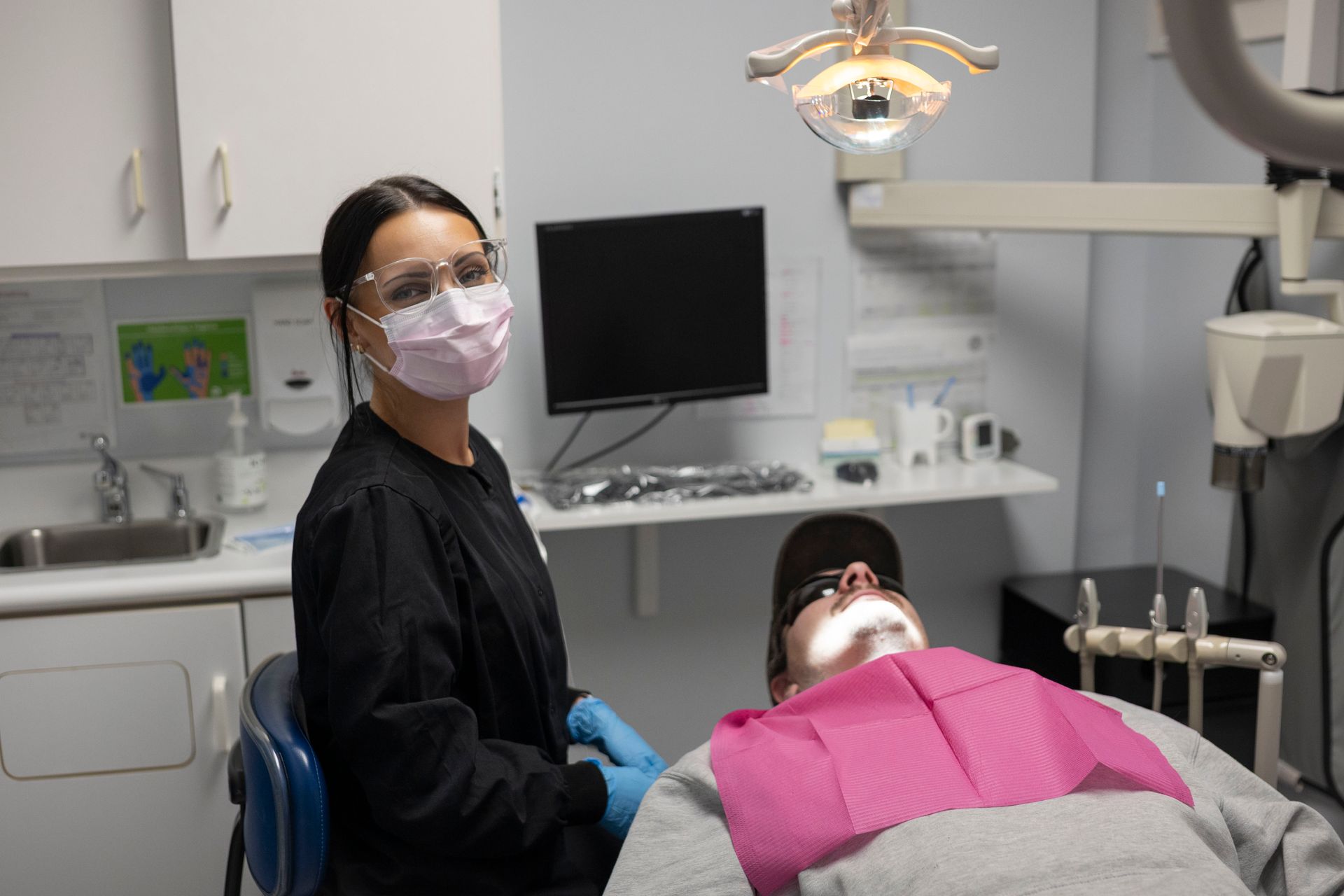
When was the last time you went in for a dental visit, not because of some kind of pain or discomfort, but just to help keep up with oral health? If it has been some time, you are not alone. Being bombarded with commitments and feeling no pain is reason enough to push dental care […]
The post Preventative Dental Care: Why Regular Visits to Your Peterborough Dentist Matter first appeared on Brookdale Dental Clinic.

Picking a dentist isn’t something most people think about—until they need one. But when it comes to your family, the right dental clinic makes all the difference. It’s not just about cleanings or checkups. It’s about trust, comfort, and care you can rely on. If you’re searching for a dependable dental clinic in Peterborough, here’s […]
The post How to Choose the Right Dental Clinic in Peterborough for Your Family first appeared on Brookdale Dental Clinic.

Parents often wonder about the right time to take their children to a dentist. The truth is, that starting early can make a world of difference in your child’s oral health journey. At Brookdale Dental Clinic in Peterborough, we’re passionate about helping Peterborough families build healthy smiles from the very beginning. The First Dental Visit: […]
The post When Should Children First See a Family Dentist in Peterborough? first appeared on Brookdale Dental Clinic.
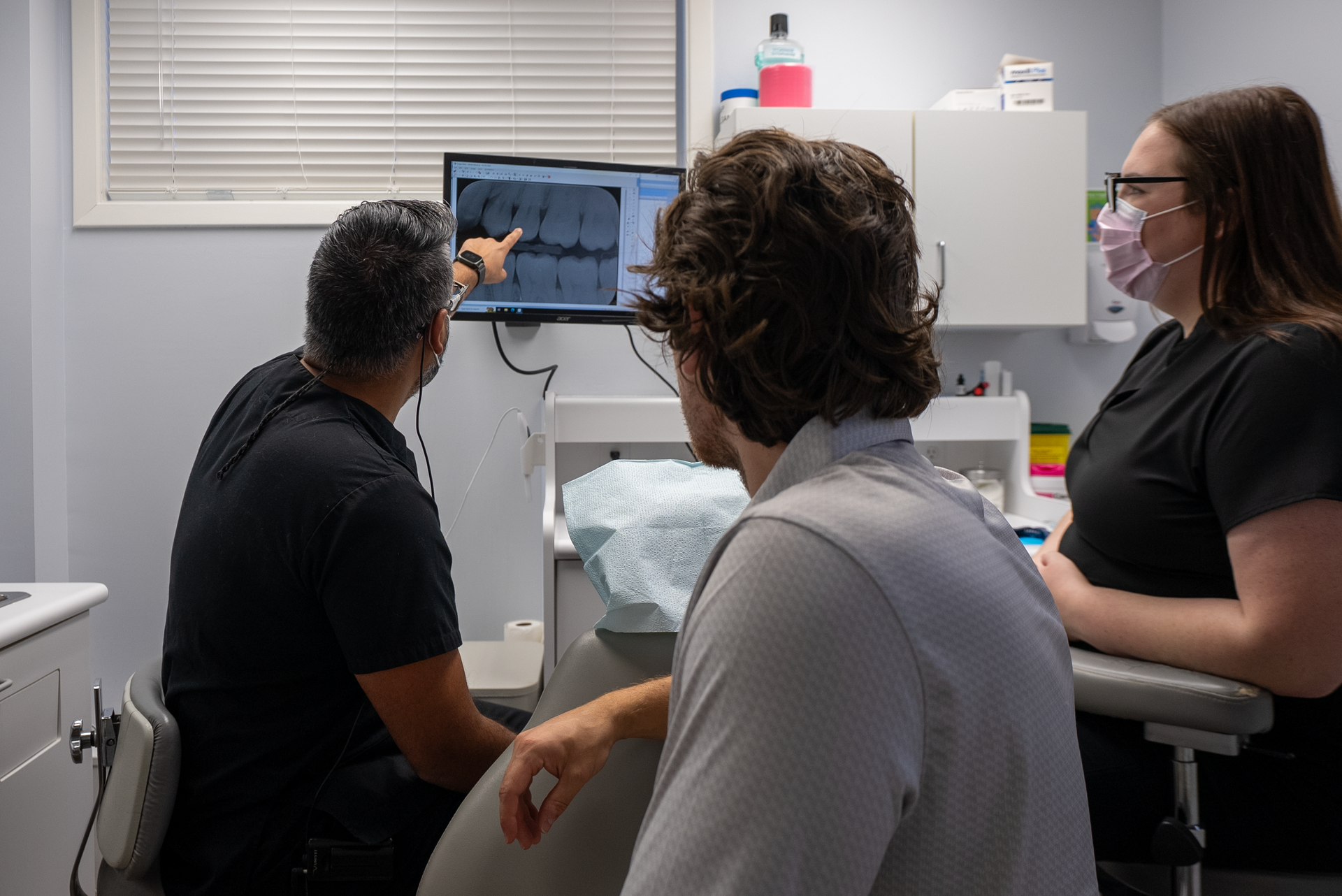
When it comes to maintaining your family’s oral health, selecting the right dentist is crucial. At Brookdale Dental Clinic, we understand that dental care is not just about treating problems; it’s about building lasting relationships and fostering a culture of preventive care. Here’s why choosing us as your family dentist in Peterborough is essential for […]
The post Why Choosing Brookdale Dental Clinic as Your Family Dentist in Peterborough Is Essential for Your Oral Health first appeared on Brookdale Dental Clinic.